Skip to content
Hair restoration basics

The Norwood Scale Explained: What Stage of Hair Loss Are You?

What each stage of the Norwood Scale means and how it shapes the discussion around PRP, FUE and other treatment routes. The stage is only one input and a physician evaluation decides the plan.

Quick answer

The Norwood Scale classifies male pattern hair loss from minimal recession to advanced baldness. It helps describe the pattern of loss, but it does not determine treatment by itself. Donor area, hair caliber, age, future loss risk and medical history must also be evaluated.

The scale

What is the Norwood Scale?

The Norwood Scale is a common classification system for male pattern hair loss. It shows how hair loss can progress from early temple recession to more advanced loss involving the hairline, mid-scalp and crown. However, the Norwood Scale is only one part of evaluation. Two patients with the same Norwood stage may need different treatment.

Why the Norwood Scale matters

The scale helps answer whether the hairline is starting to recede, whether the crown is involved, whether loss is mild, moderate or advanced, whether the mid-scalp is still preserved, whether a transplant is likely to be small or large and whether treatment should focus on prevention, density or reconstruction. It also helps patients understand that hair loss is progressive.
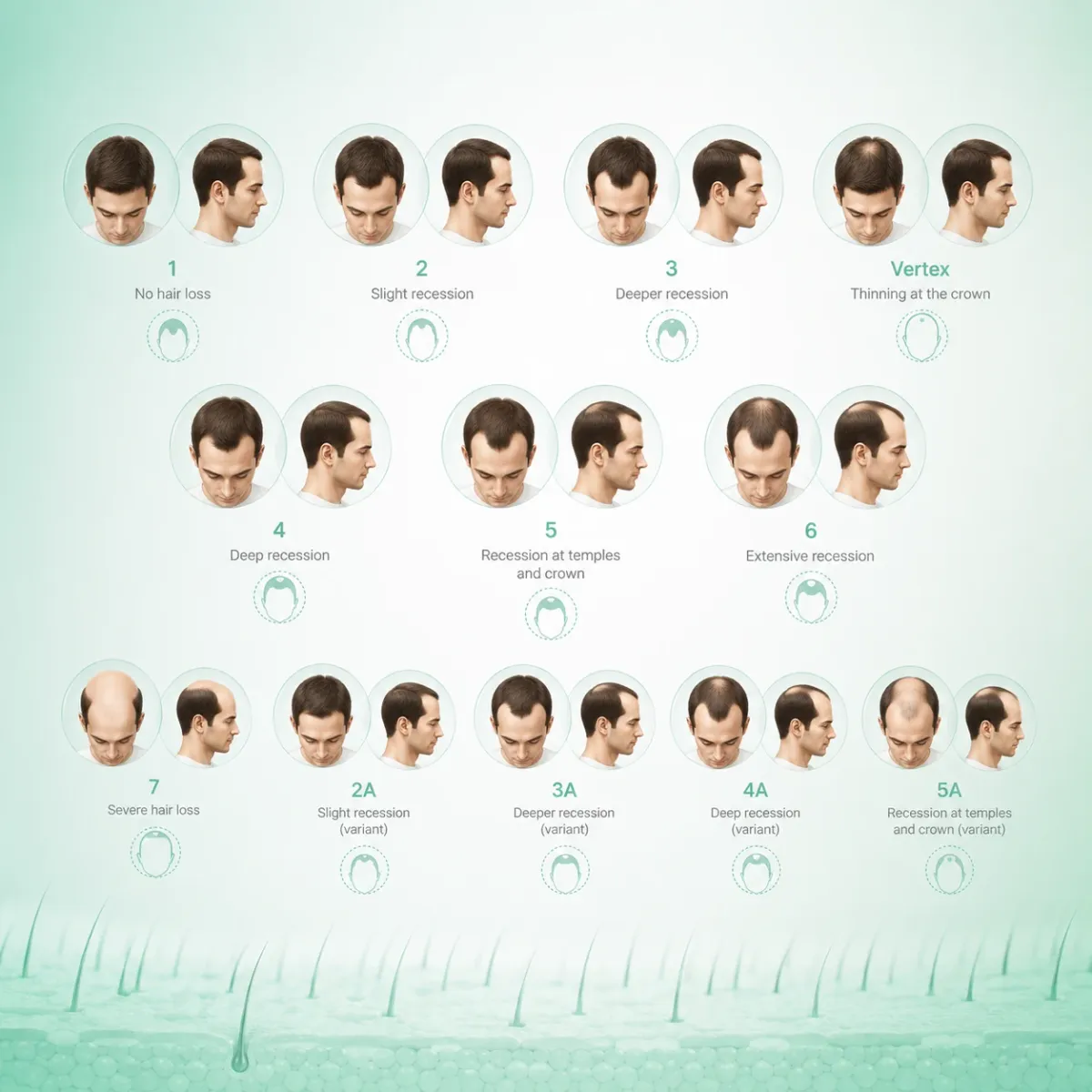
The Norwood Scale: stages 1 to 7 with vertex and A variants

Stage by stage

Norwood stages

Norwood stages
pick a stage to see what it shows and the possible routes
No hair loss

Norwood 1, No hair loss

Norwood 1

What it shows

Little to no visible recession

Possible routes

  • Monitoring
  • Medical discussion if family history is strong
  • PRP only if early thinning
  • Photos to track progression
Slight recession

Norwood 2, Slight recession

Norwood 2

What it shows

Early recession at the temples

Possible routes

  • Monitoring
  • Medical therapy discussion
  • PRP in selected cases
  • FUE only if stable and significant
Deeper recession

Norwood 3, Deeper recession

Norwood 3

What it shows

More visible recession affecting the frontal frame

Possible routes

  • FUE hairline restoration if donor is strong and loss stable
  • PRP if early or diffuse
  • Medical therapy
  • Monitoring for younger patients
Thinning at the crown

Norwood 3 Vertex, Thinning at the crown

Norwood 3 Vertex

What it shows

Recession plus early crown thinning

Possible routes

  • Prioritize hairline first
  • PRP for crown support
  • Crown transplant if donor allows
  • Staged approach
Deep recession

Norwood 4, Deep recession

Norwood 4

What it shows

Significant frontal loss and crown involvement

Possible routes

  • FUE depending on donor
  • Possible staged plan
  • PRP or medical support
  • Careful expectation setting
Recession at temples and crown

Norwood 5, Recession at temples and crown

Norwood 5

What it shows

Larger areas of loss

Possible routes

  • FUE with priority planning
  • Hairline and frontal density first
  • Limited or staged crown
  • No unrealistic density promises
Extensive recession

Norwood 6, Extensive recession

Norwood 6

What it shows

Extensive loss connecting frontal and crown

Possible routes

  • Conservative FUE if donor is strong
  • Staged restoration
  • Focus on framing the face
  • Strict donor management
Severe hair loss

Norwood 7, Severe hair loss

Norwood 7

What it shows

Advanced loss with limited donor options

Possible routes

  • Limited coverage strategy
  • Non-surgical alternatives
  • Scalp micropigmentation discussion
  • Physician review required

Beyond the stage

Why donor area matters more than stage alone

The Norwood Scale shows the recipient area, not the donor supply. A patient may be Norwood 4 with excellent donor hair and good candidacy. Another may be Norwood 3 with weak donor density and diffuse thinning. Their treatment plans will be different.

Evaluation should include
  • Donor density
  • Hair caliber
  • Overall scalp assessment
  • Miniaturization in the donor area
  • Hair loss stability
  • Age and family history

Treatment discussion

PRP vs FUE by Norwood stage

Norwood 2 patternNorwood 1 to 2
MonitoringMedical therapyPRP

Monitoring, medical therapy, PRP if thinning
Norwood 3 patternNorwood 3
FUEPRP

FUE or PRP depending on stability and goals
Norwood 4 patternNorwood 4
FUEPRP support

FUE planning, possible PRP support

Norwood 5 patternNorwood 5
FUEDonor management

FUE with donor management and expectations
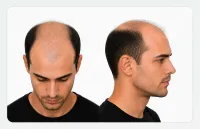
Norwood 7 patternNorwood 6 to 7
Conservative FUEAlternatives

Conservative surgical planning or alternatives

This table is not a diagnosis. A physician review is required.
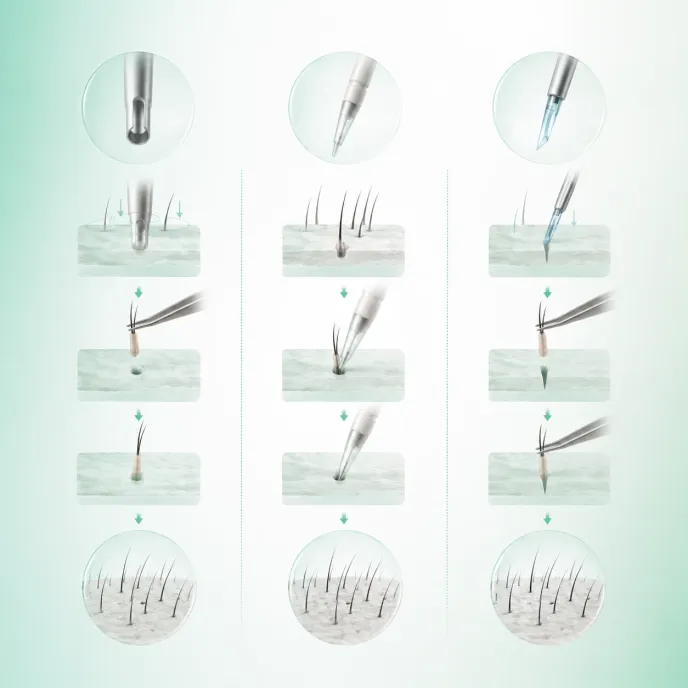
FUE, DHI and Sapphire: extraction and implantation step by step
If surgery is an option: FUE vs DHI vs SapphireHow each method works and which fits your case.Read the guide →

Your evaluation

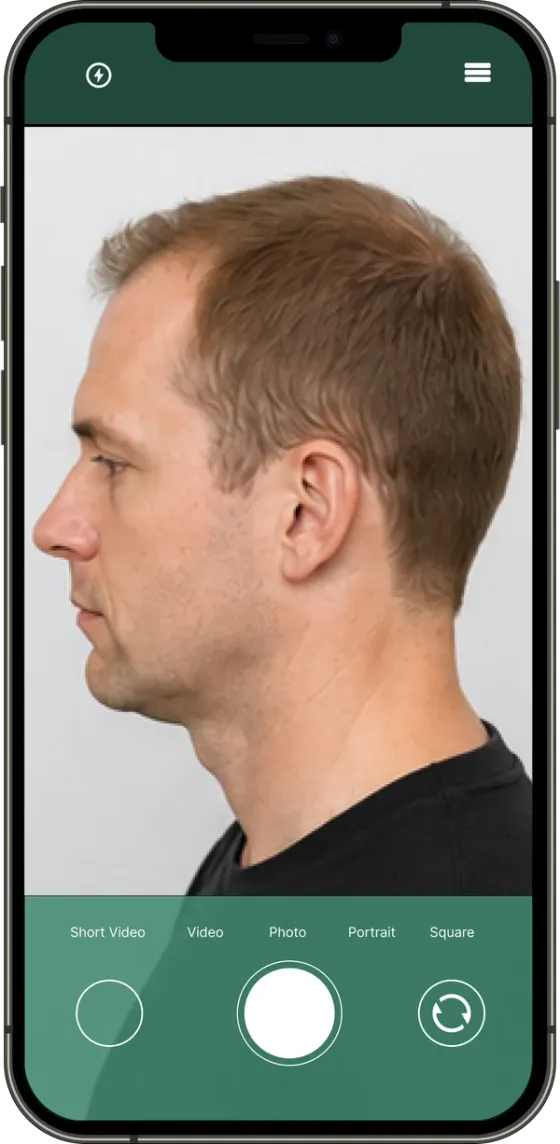
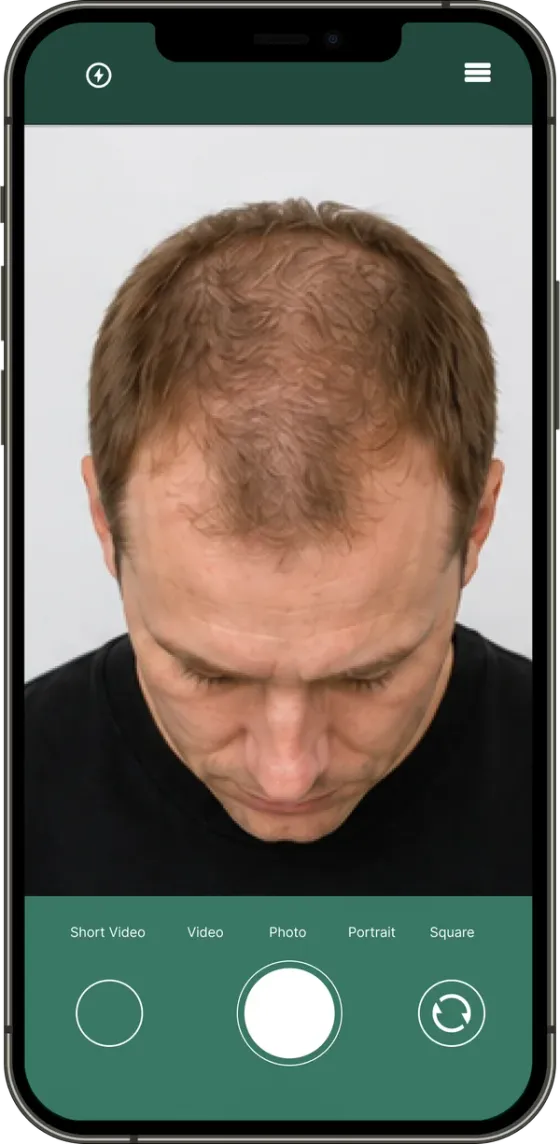
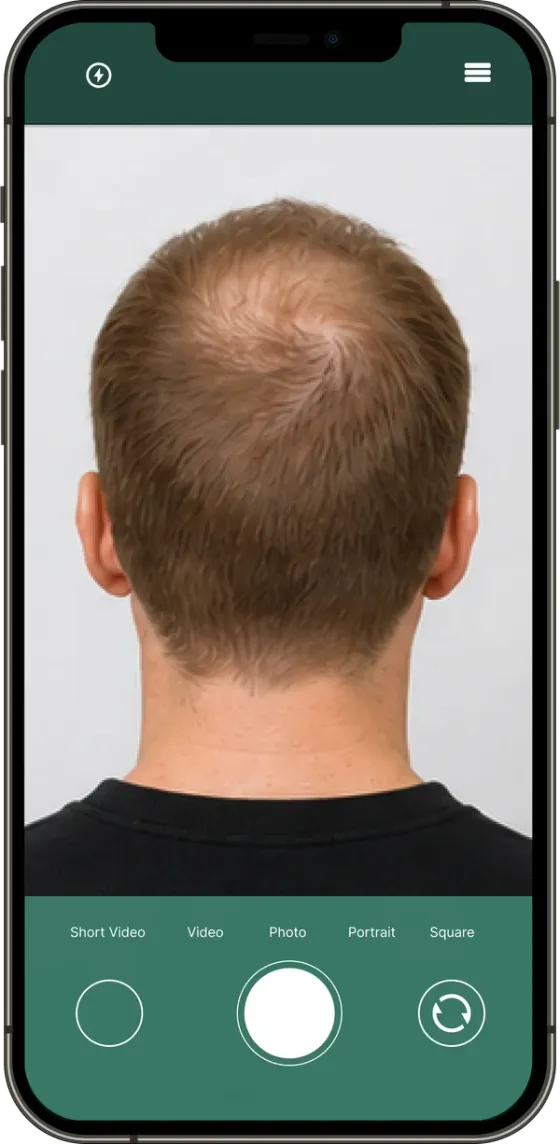
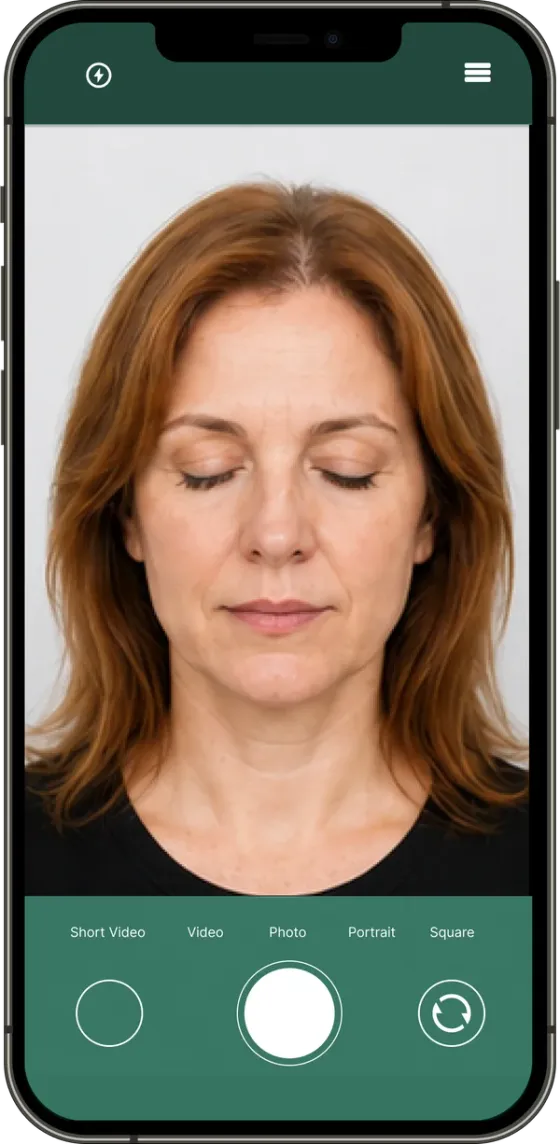
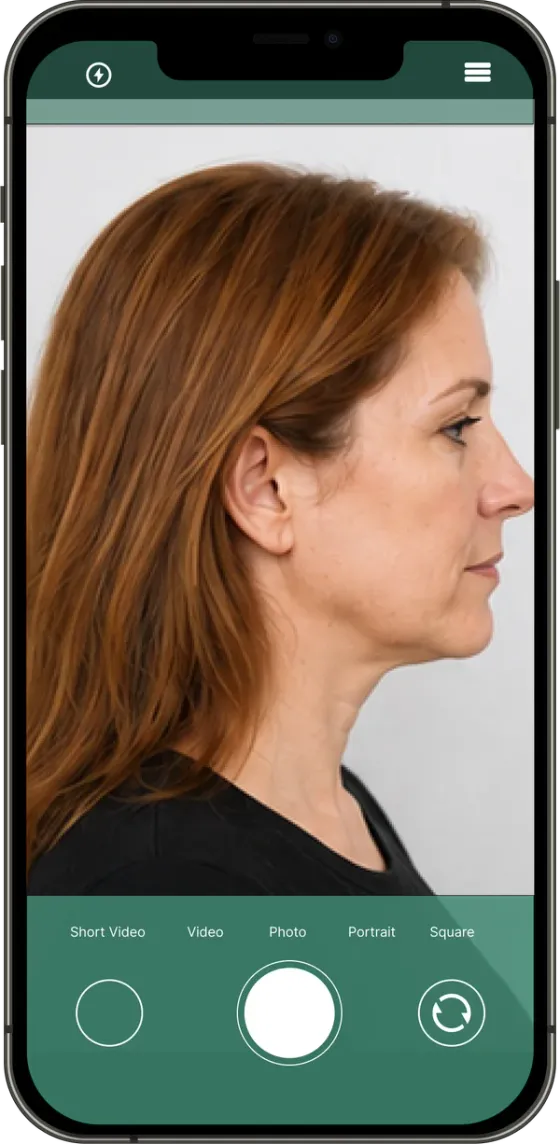
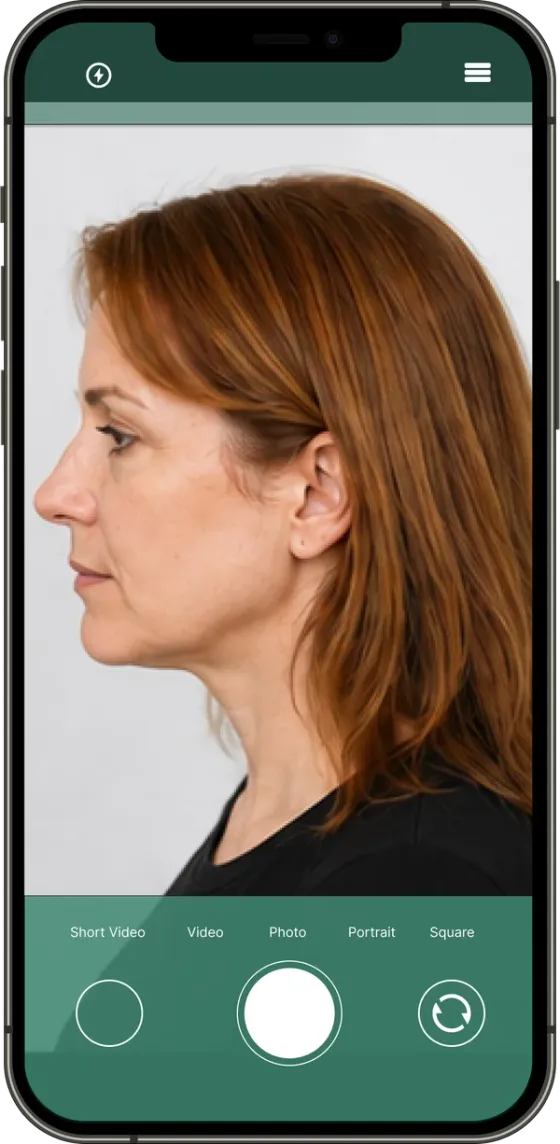
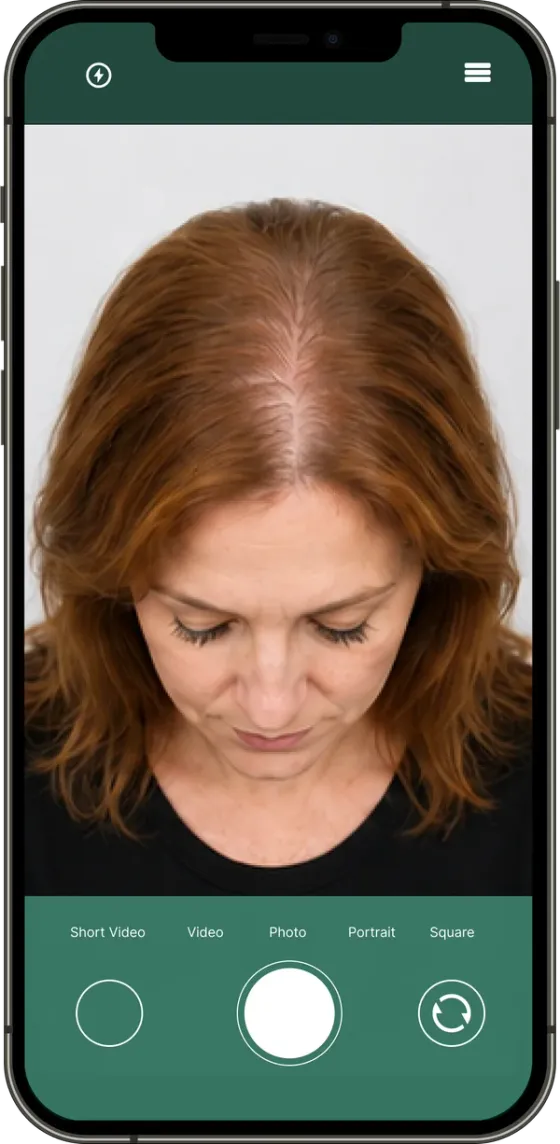
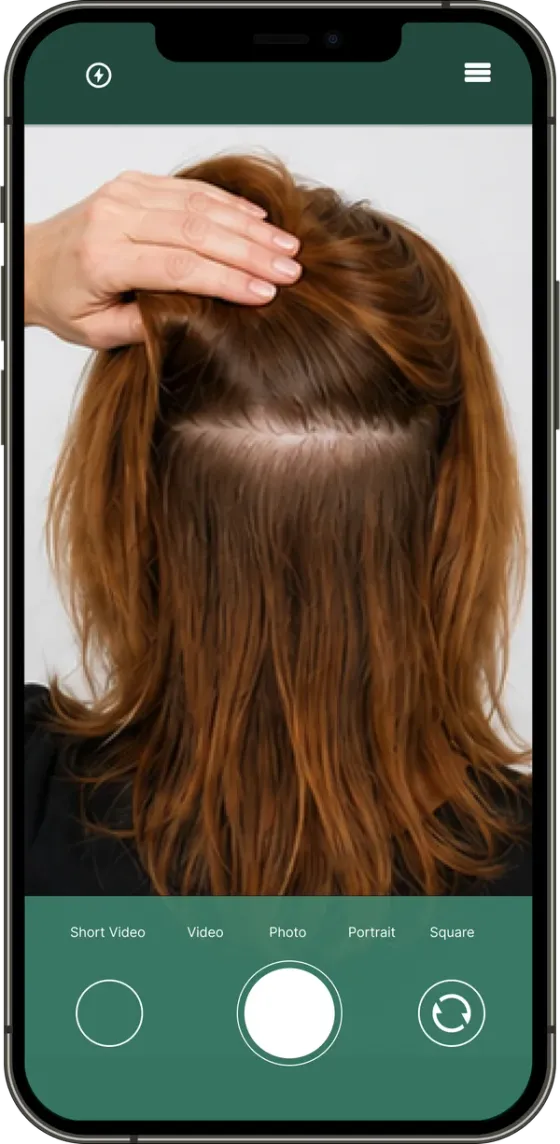
How to take photos for evaluation
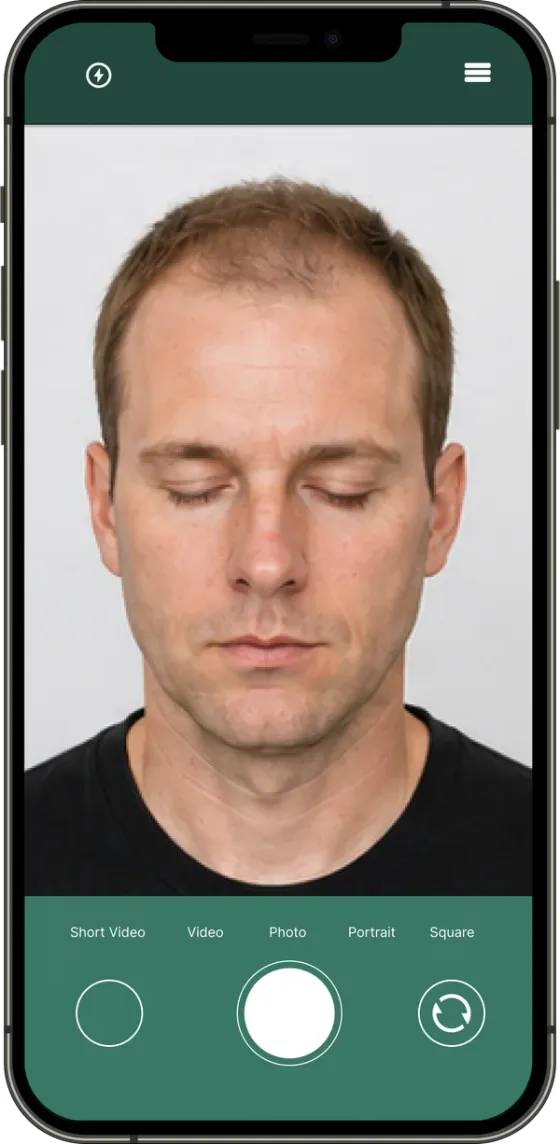
How to take photos for evaluation
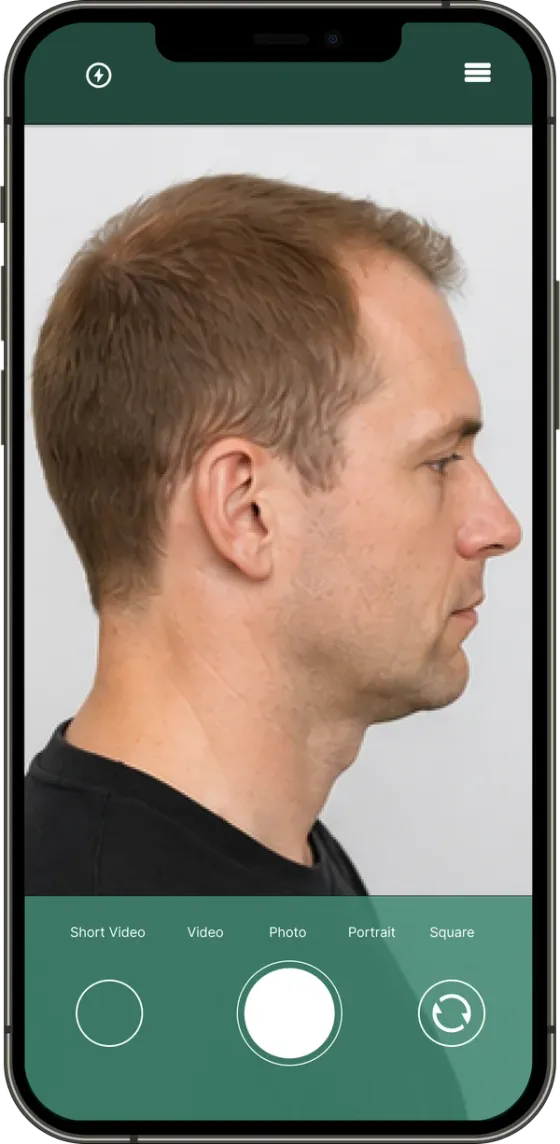
See example photos for

Capture these 5 viewstap a view to preview

Also include

  • Donor area
  • Wet hair photo if thinning is diffuse
Example: Front hairline, Men
Example: Left temple, Men
Example: Right temple, Men
Example: Top of scalp, Men
Example: Crown, Men
Example: Crown, Men
Example: Front hairline, Women
Example: Left temple, Women
Example: Right temple, Women
Example: Top of scalp, Women
Example: Crown, Women

FAQs

Common questions about the Norwood Scale

Can I diagnose myself with the Norwood Scale?

You can use it as a guide, but it does not replace evaluation.

What Norwood stage needs a transplant?

There is no single stage. Some Norwood 3 patients are candidates, while others are better served with non-surgical treatment first.

Can PRP help Norwood 1 to 3?

PRP may help selected early-stage patients, especially when follicles are still active.

Can FUE help Norwood 6 or 7?

Sometimes, but expectations must be conservative and donor area must be evaluated carefully.

Does the Norwood Scale apply to women?

Not usually. Female hair loss is often described with other patterns, such as diffuse thinning or widening part.

Not sure which stage you're at?

Start with a free, no-obligation evaluation.

Request Free Evaluation

Contact Us to Start Your Hair Restoration Journey

Already know you want treatment? Send your details and photos. A patient advisor will confirm your request and a physician will review your case within 24 to 48 hours. No commitment.

Fields marked with * are required

This field is required.

This field is required.

Enter an age between 18 and 99.

Please select an option.

Enter a valid phone number (6 to 16 digits, may include spaces, dashes or parentheses).

Enter a valid email address (e.g. name@example.com)

Please select an option.

Please select an option.

Please select an option.

Upload Your Photos for a Free Evaluation

Using the views below, indicate the areas where you would like to restore your hair.

See example photos for:

1

Example: Front, MenExample: Front, Women Example

No file chosen

2

Example: Top, MenExample: Top, Women Example

No file chosen

3

Example: Crown, MenExample: Crown, Women Example

No file chosen

4

Example: Left side, MenExample: Left side, Women Example

No file chosen

5

Example: Right side, MenExample: Right side, Women Example

No file chosen

Get My Free Evaluation